SAS Cuts 1,000 April Flights as Fuel Shock Turns Crisis Into Strategy
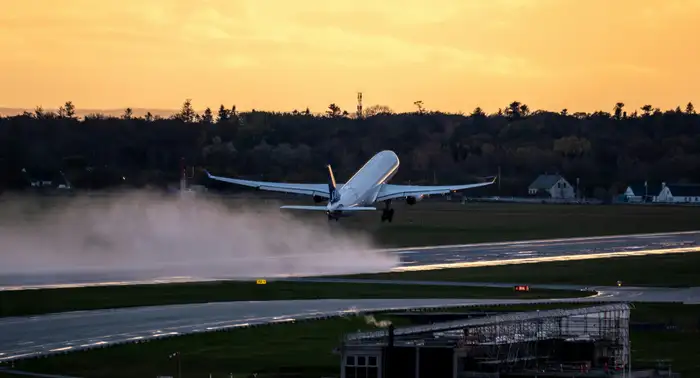
SAS said it will cancel around 1,000 flights in April after oil and jet fuel prices rose sharply in early March.
The airline had already canceled several hundred flights in March and said more cuts would come after Easter, when travel demand usually slows. Chief executive Anko van der Werff said jet fuel prices had doubled in about 10 days, creating a cost shock that airlines could not fully absorb.
The airline said the cuts are still limited compared with its normal schedule of about 800 flights a day. Earlier cancellations mostly affected domestic routes in Norway, with fewer disruptions in Sweden and Denmark.
Norwegian is adding flights to capture demand
Rival carrier Norwegian is moving in the opposite direction. The airline said it would add 120 extra flights between March 25 and April 12 after seeing stronger demand following SAS’s cancellations.
Most of the added services will connect Nordic markets with popular Spanish leisure destinations, where Easter demand is typically strong. While SAS is cutting flights to manage costs, Norwegian is using the gap to attract displaced passengers and strengthen its position on leisure routes.
The deeper problem is the wider Middle East energy shock
The fuel spike is linked to the war involving the US, Israel, and Iran, which has disrupted energy markets and pushed oil prices higher.
Brent crude moved above $100 a barrel, while physical fuel markets tightened even more sharply. In Europe, jet fuel rose above $220 a barrel, showing that the pressure on airlines goes beyond normal oil price volatility.
Fares are rising across the market
On March 19, IATA director general Willie Walsh said there would be “no winners” for aviation from the Middle East crisis and warned that airlines may need deeper adjustments if fuel supply problems continue. Other carriers have also warned of higher fares as fuel hedges expire and exposure to current market prices increases.
Airfares this month reached their highest level in more than a year as rising oil costs fed directly into airline pricing. That adds useful context to SAS’s decision: this is not only a network adjustment by one Scandinavian carrier, but also part of a wider market response in which airlines are raising fares, reviewing capacity, and preparing for a more expensive operating environment if fuel prices continue to rise.
Photo by Rasmus Lauridsen on Unsplash
Hot News
Leisure Keeps Travel Agencies Growing as US Ticket Sales Hit $9.6B

IHG Grows in Europe as Hotel Demand and Investment Support Expansion

Southeast Asia Travel Sees More Cancellations as Gulf Routes Struggle

New York City Had More Tourists in 2025, but International Travel Still Fell
