NYC Says 600 Hosts Were Warned After Listings Turned Illegal
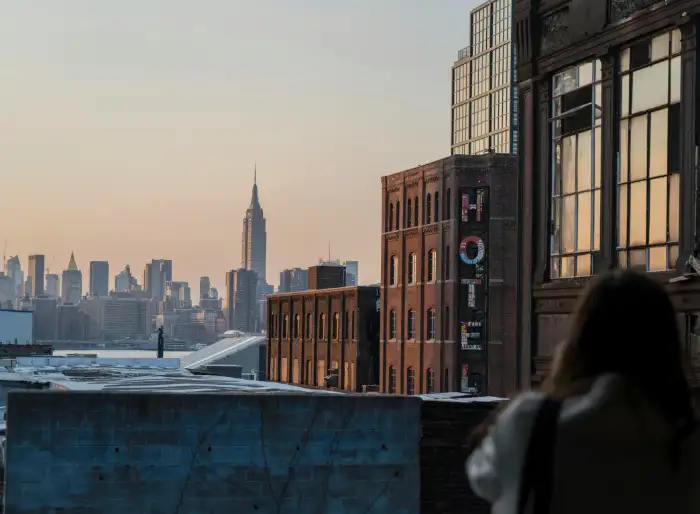
New York City says more than a quarter of the short-term rental listings it approved are no longer following the rules.
In a partial review, the city’s Office of Special Enforcement found that 27 percent of approved listings were being used for illegal stays, mainly by advertising entire homes or allowing more than two guests.
The finding shows that New York’s short-term rental law has reduced illegal listings overall, but it has not stopped some hosts from changing their listings after getting approved.
The city’s rules allow only a narrow type of short-term rental
Under Local Law 18, anyone offering a stay of fewer than 30 days in New York City must register with the city. Platforms such as Airbnb are not allowed to process bookings for unregistered listings. The rules also require the host to be present during the stay and limit the booking to no more than two paying guests.
That means most entire-home short-term rentals are not legal in the city. The law was designed to stop illegal listings before they reached travelers, but the latest findings suggest some hosts are now getting approval first and then changing the listing later.
Airbnb is following the law, but the city says a gap remains
Airbnb complies with Local Law 18 by verifying that a host is registered before a listing goes live. But the city also said the law does not require the platform to stop listings if hosts later turn them into illegal offers.
That leaves New York responsible for much of the follow-up enforcement. Airbnb said it is complying with the law and argued that the city should ease the rules so more residents can legally share their homes.
Enforcement is shifting from registration checks to direct action
The city said it has sent around 600 warning notices to hosts that changed approved listings into illegal ones. Only about one-third fixed the issue. Officials said they are still investigating the rest and have issued summonses at more than 100 locations where warnings were ignored.
The city has also started filing lawsuits. On April 17, officials sued operators linked to properties in Brooklyn and the Bronx, saying they used registrations meant for legal hosted stays and then changed the listings into illegal rentals. The city said those operators made more than $1.3 million from around 1,400 illegal bookings since April 2023.
This issue also connects with New York City’s lawsuit over an alleged Airbnb “bait and switch” operation. That case showed how some hosts may first appear compliant and then later convert listings into illegal rentals, helping explain why the city is now focusing not just on registration, but on ongoing enforcement after approval.
Photo by Thought Catalog on Unsplash
Hot News
Portugal Strike Puts 500 Flights at Risk as Peak Travel Nears

Airbnb Bets on Creators as Experiences Chase Repeat Demand

US Travelers Face 20.7% Fare Hike as Airlines Pass Fuel Costs to Passengers

Airbnb Wins in Spain but Local Rental Crackdowns Keep the Heat On
