Lufthansa Hits Record Revenue but Fuel Costs Threaten 2026 Fares
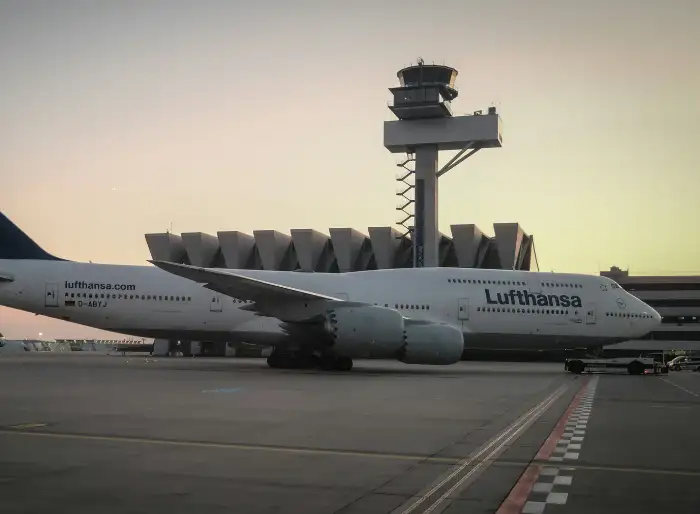
Lufthansa Group ended 2025 with record revenue, but rising jet fuel prices are now putting pressure on its 2026 profit.
The German airline group reported €39.6 billion ($46.3 billion) in revenue for 2025, up 5 percent from the previous year. Its adjusted operating profit also rose to about €2 billion ($2.3 billion), supported by strong travel demand, cargo activity, and aircraft maintenance services.
The company also improved its first-quarter results in 2026. Revenue rose 8 percent year over year to €8.7 billion ($10.2 billion), while the adjusted operating loss narrowed to €612 million ($716 million).
Fuel prices are the biggest problem
Lufthansa’s main challenge is jet fuel. The company expects fuel costs to rise by about €1.7 billion ($2 billion) in 2026 because of the Middle East crisis and higher kerosene prices. Kerosene is the fuel used by commercial aircraft, so a sudden price jump directly affects airline profits.
Lufthansa hedges part of its fuel needs. Fuel hedging means an airline uses financial contracts to reduce the impact of price swings. But hedging cannot remove the full cost increase, so Lufthansa is looking for other savings through higher revenue, lower costs, and changes to its flight schedule.
Lufthansa is cutting weaker short-haul flights
The group is cutting 20,000 flights through October, mainly on unprofitable short-haul routes. These are shorter flights that do not make enough money when fuel prices are high. The reductions are expected to save more than 40,000 metric tonnes of jet fuel.
Demand is still strong, especially for summer
Lufthansa is not facing a demand problem. The group said travel demand remains resilient and still expects a strong summer season. Long-haul routes are helping offset cuts in short- and medium-haul flying, while Lufthansa Cargo and Lufthansa Technik are also supporting earnings.
The same pressure is already visible in Lufthansa’s regional network. Lufthansa is shutting down Lufthansa CityLine earlier than planned and removing its 27 aircraft from service. The decision is linked to higher kerosene prices, older and less efficient regional aircraft, and labor pressure.
Photo by Leif Christoph Gottwald on Unsplash
Hot News
Delta Buys Spirit Gates as Atlanta Rivals Run Out of Room

Bolt Targets Messy Ride Expenses With New Employee-Pay Mode

FAA Eyes AI for Air Traffic Safety as Runway Risks Keep Rising

TPConnects Launches Iris Express API to Cut NDC Complexity
