LATAM São Paulo–Lisbon Flight Abort Sparks Questions On Warnings And Performance
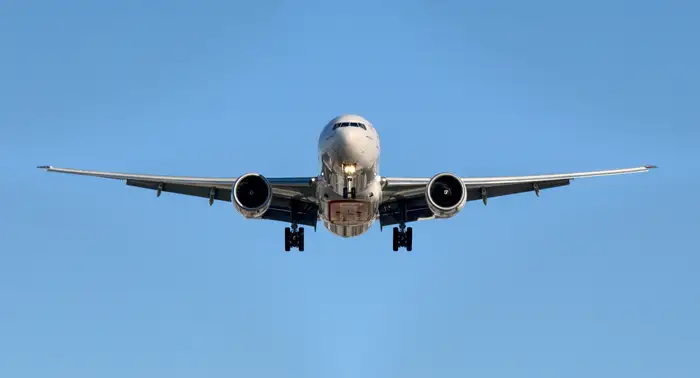
LATAM Airlines Brasil flight LA8146 (operated by a Boeing 777-300ER) rejected takeoff at São Paulo/Guarulhos International Airport (GRU) while departing for Humberto Delgado Airport (LIS).
Videos shared online, and incident reporting indicate the rejection happened extremely late, with the nose lifting during the initial rotation before the crew lowered it and initiated maximum braking and reverse thrust. Reports say the aircraft stopped safely, emergency services responded (standard after high-energy stops), and the flight did not continue. LATAM confirmed an aborted takeoff and said it was carried out safely, without publicly stating the technical trigger.
Why this was higher-risk than a typical aborted takeoff
Takeoff procedures are built around decision speeds calculated before departure. In simple terms, V1 is the point where crews generally shift from “stop” to “go,” because stopping beyond that speed may leave too little runway. Safety guidance stresses that after a correctly calculated V1 is exceeded, the takeoff is normally continued—except in rare cases where there is a strong reason to believe the aircraft will not fly. That’s why a reject that appears to occur at or near rotation draws intense scrutiny: speed is high, braking energy is extreme, and the aircraft is transitioning from ground handling to flight controls.
What investigators will likely focus on first
The central question is not “how dramatic did it look?” but “what cue forced the crew to stop so late?”
Investigators typically reconstruct the exact timeline using flight data and cockpit voice recordings: speed at reject initiation, runway remaining, thrust settings, deceleration achieved, and any warnings or abnormal performance indications. They’ll also verify the takeoff setup—weight and balance, flap configuration, and performance entries—because these inputs drive the planned V-speeds and determine whether the aircraft should have continued safely.
The wider LATAM 777 context
This event is being discussed alongside a separate LATAM 777 takeoff-phase case: the July 9, 2024, tail strike at Milan Malpensa involving another aircraft, where Agenzia Nazionale per la Sicurezza del Volo (ANSV) later published findings describing how major takeoff-performance input errors and weak cross-checks contributed to an unsafe rotation profile.
That does not mean São Paulo had the same cause, but it explains why investigators are likely to be especially strict about decision timing and the integrity of performance data. As of February 17, 2026, the reliable public update remains: the aircraft stopped safely, responders attended as a precaution, and the trigger has not been publicly confirmed pending investigation.
Incidents don’t always end with maintenance checks—some end in court. Frontier has filed a federal lawsuit seeking more than $100,000 from American Airlines over a March 7, 2024 ground collision at Miami International Airport, alleging an American Boeing 777-300ER clipped the vertical stabilizer of a parked Frontier Airbus A321neo during pushback and that Frontier’s losses went beyond repairs already covered in a partial settlement.
Photo by emanuviews on Unsplash
Hot News
Skyscanner Adds Flight Search in ChatGPT as Travel Planning Moves to AI Chat

Sabre Launches AI-First Travel Platform as Industry Shifts to Automation

Google Links Find Hub With Airline Systems to Cut Lost Bag Delays

Expedia Resets the Business to Improve Margins and Speed Up AI Investment
