LaGuardia Reopens After Fatal Runway Collision as Pressure Builds on US Air Travel
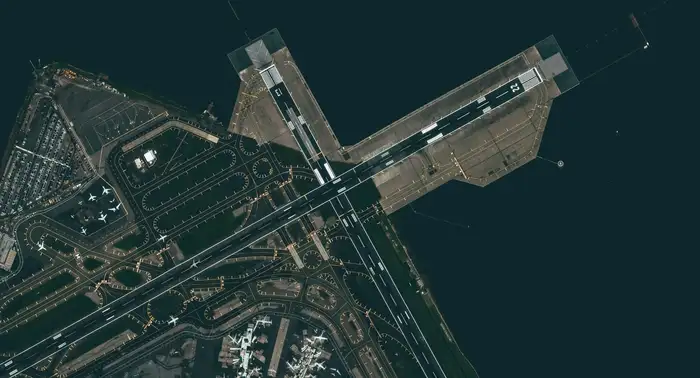
LaGuardia Airport stopped operations late on March 22 after an Air Canada Express plane arriving from Montreal struck an airport fire truck on Runway 4.
Both pilots were killed. Another 41 people were injured, including passengers and people in the service vehicle.
The airport reopened on March 23, but the shutdown caused major delays and cancellations across the New York area. The fire truck had been responding to a separate issue involving a United Airlines flight that had reported an odor, which shows that more than one operational event was unfolding at the same time.
Investigators are now focusing on how this happened
The National Transportation Safety Board has opened an investigation. Runway access, tower communication, and coordination between airport teams will be central issues. Investigators are also reviewing what was happening in the control tower as staff dealt with another aircraft-related problem at the same time.
The case is drawing extra attention because LaGuardia has modern ground surveillance systems designed to help controllers track both aircraft and service vehicles. That does not mean the cause is already clear, but it does raise questions about how procedures, communication, and decision-making worked together in the final moments before the collision.
The crash came at a difficult time for US aviation
The timing made the story more significant for the travel industry. US aviation is already under pressure from strong demand, staffing problems, and limited operational flexibility.
The LaGuardia accident also happened on the same day Newark briefly suspended flights because of a separate control tower evacuation. The two events were unrelated, but together they showed how quickly disruption can build across a busy airport region when the system is already stretched.
Wider strain on the US airport system
The LaGuardia collision also came at a time when US airport operations were already under pressure from wider staffing and processing problems. Earlier signs of disruption at security checkpoints had already raised concerns about delays spreading more easily through the system, which makes this latest incident part of a broader question about how resilient US air travel really is during peak demand.
This latest crash is also likely to add to the wider unease around aviation safety that has lingered since last year’s string of fatal incidents, even though flying remains statistically very safe.
Photo by Mohit Kumar on Unsplash
Hot News
Delta Buys Spirit Gates as Atlanta Rivals Run Out of Room

Bolt Targets Messy Ride Expenses With New Employee-Pay Mode

FAA Eyes AI for Air Traffic Safety as Runway Risks Keep Rising

TPConnects Launches Iris Express API to Cut NDC Complexity
