LA Hotels Power the City but Investors Are Losing Confidence
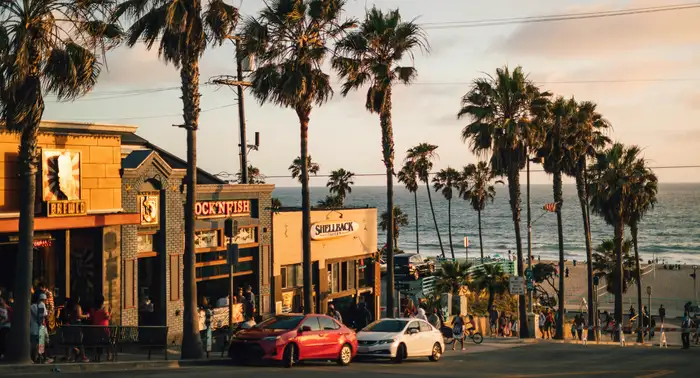
Los Angeles hotels remain a major part of the local economy, but many owners and operators now see the city as a harder place to run and invest in hotels, says a new report from the American Hotel & Lodging Association.
According to AHLA, the sector generates $12.5 billion in annual economic activity, supports nearly 64,000 jobs, and produces more than $1.1 billion in state and local tax revenue.
Hotel guests also spend about $7.2 billion a year at restaurants, shops, and entertainment venues, showing how hotel demand supports much more than room revenue.
Hotels play a wider role in the city’s travel economy
AHLA’s main point is that hotels support a broad network of local business activity. Visitors staying in hotels spend money across the city, helping nearby food, retail, transport, and entertainment businesses.
In Los Angeles, that role is especially important because the city has a large, diverse tourism base and one of the country’s busiest airports.
Los Angeles moves closer to major global events. The city is due to host matches during the 2026 FIFA World Cup and later the 2028 Olympics.
AHLA says rising costs are changing hotel decisions
The report says many hotels are under pressure because labor and operating costs are rising faster than revenue.
AHLA said some properties have reduced staffing or employee hours, while others have delayed development or scaled back planned investment.
According to the group’s survey, 88 percent of respondents said they had reduced staffing or hours over the past year because of city council policies. It also said 80 percent do not view Los Angeles as a good long-term hotel investment market under current conditions.
The report’s message is that hotel demand may still matter a lot to the city, but confidence among investors and operators has weakened.
The market is still recovering, which makes new costs harder to absorb
AHLA said Los Angeles hotels have still not returned to pre-pandemic performance. Before the pandemic, occupancy reached 84 percent and monthly room demand totaled 2.8 million room nights.
Outside research supports that view. HVS said Los Angeles hotel recovery has been slowed by softer leisure demand, weaker international traffic, strikes in the entertainment sector, and the impact of the early-2025 wildfires. It also said international passenger traffic through LAX has remained below 2019 levels.
City labor rules remain the main pressure point
The policy dispute centers on Los Angeles hotel worker ordinances, which include wage and training requirements. City officials present them as worker protections. Hotel groups argue that they add too much cost at a time when the market is still rebuilding.
Los Angeles looks out of step as US hotel investment rebounds
The wider US hotel investment market has recently shown signs of recovery. US hotel transactions rose to $24 billion in 2025, pointing to renewed investor interest in hospitality assets. Against that backdrop, AHLA’s warning suggests Los Angeles may be moving against the broader trend, with local policy and cost pressure making one of the country’s biggest hotel markets look less attractive for long-term investment.
Photo by Roberto Nickson on Unsplash
Hot News
Delta Buys Spirit Gates as Atlanta Rivals Run Out of Room

Bolt Targets Messy Ride Expenses With New Employee-Pay Mode

FAA Eyes AI for Air Traffic Safety as Runway Risks Keep Rising

TPConnects Launches Iris Express API to Cut NDC Complexity
