Korean Air Goes Into Emergency Mode as Fuel Shock Hits Asia Harder
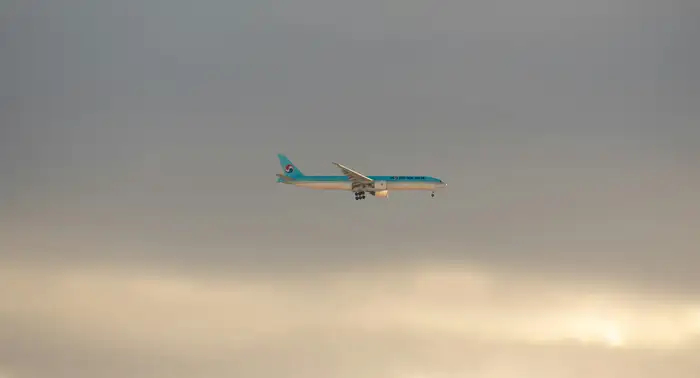
Korean Air is moving into emergency management mode from April after a sharp rise in jet fuel prices linked to the war involving the US, Israel, and Iran.
The airline said it will introduce internal cost-cutting measures to protect its finances as fuel becomes more expensive and global economic uncertainty grows.
Why South Korean airlines are especially exposed
South Korea depends heavily on imported oil, especially from the Middle East. That makes its airlines more vulnerable when conflict disrupts energy markets or pushes global prices higher.
Korean Air has reportedly warned staff that its April fuel bill could be far above the level it had expected in its original business plan.
Other Asian airlines are taking action too
The same pattern is appearing across Asia. Cathay Pacific has raised fuel surcharges, while Singapore Airlines and Scoot have increased fares to recover part of the higher fuel cost. ANA has said the immediate effect is more limited for now because some surcharge levels were fixed earlier, before prices jumped.
Vietnam has warned of fuel shortages that could lead to fewer flights, and the Philippines declared a national energy emergency after concerns that aviation fuel constraints could disrupt transport.
Carriers are responding to the fuel shock in different ways. For example, United has chosen to cut some flights while keeping its longer-term fleet plans in place. SAS has gone further by removing around 1,000 April flights, showing how what began as a cost problem is now shaping broader network strategy.
Photo by Kevin Ortiz on Unsplash
Hot News
India Eyes Southeast Asia Flights as Gulf Chaos Redirects Growth

US Travelers Lean Into the Outdoors as Backroads Adds Park Trips

B&B Hotels Doubles Down on Europe as Global Growth Gets Tougher

United Adds Polaris Base Fare as Premium Cabins Get More Basic
