Joby Aviation Reports Q4 2025 Losses as It Prepares for 2026 Dubai Air Taxi Launch
Joby Aviation released its fourth quarter 2025 results. The company reported a fourth-quarter net loss of $121.5 million and fourth-quarter revenue of $30.8 million, but the main message was commercial progress, not profit. Joby said it expects to carry its first passengers in the UAE in 2026 and continues advancing FAA certification in the US.
This is key context: Joby is still in the build-and-launch phase. It is spending heavily to certify aircraft, expand production, and prepare operations.
How Q4 compares with the same quarter last year
Compared with the fourth quarter of 2024, Joby’s Q4 2025 results show major growth but also higher operating costs. Revenue increased from $55 thousand to $30.8 million. This jump is significant, but it is not a simple like-for-like comparison because the company’s business mix changed, including Blade-related activity.
Net loss improved from $246.3 million in the fourth quarter of 2024 to $121.5 million in the fourth quarter of 2025, an improvement of about $124.7 million year over year.
At the same time, operating expenses rose from $149.9 million to $237.6 million, showing Joby is still spending aggressively on certification, manufacturing, and operations.
Why this matters for the travel industry
If Joby launches passenger flights in Dubai in 2026 as planned, it could become one of the first real examples of electric air taxis in regular travel use, not just demonstration flights. That would make Dubai an early test market for short city trips and airport transfers using eVTOL aircraft.
For the travel industry, this matters beyond aircraft technology. It could influence how airports, hotels, and ride platforms design premium transfers and connected trip journeys. If travelers adopt the model, air taxis may become part of broader urban travel planning in major cities.
Why Joby is still losing money
Joby said it ended the fourth quarter of 2025 with about $1.4 billion in cash and short-term investments, giving it a stronger funding cushion as it ramps certification and production. It also said it expects first-half 2026 cash use of $340 million to $370 million, excluding about $33 million for a one-time Ohio building purchase.
That level of spending is high, but it is typical for a company launching a new aircraft category while also building operations. The hard part is not only proving the aircraft can fly. It is proving the company can certify, produce, and operate at scale safely and consistently.
What the revenue outlook says about 2026
Joby has outlined 2026 revenue guidance of $105 million to $150 million, with most of that expected to come from Blade rather than large-scale air taxi flights. That shows Joby is still in a transition period: it is building toward future eVTOL service while relying on existing passenger operations to support near-term revenue.
The next things to watch are FAA certification progress, Dubai launch readiness, and evidence that production is scaling smoothly. If Joby continues to hit milestones in those areas, the story will look less like a startup promise and more like a real travel service rollout.
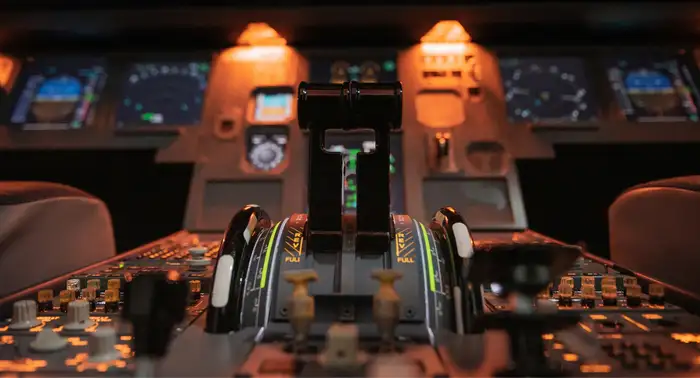
Photo by Moritz Mentges on Unsplash
Hot News
Delta Buys Spirit Gates as Atlanta Rivals Run Out of Room

Bolt Targets Messy Ride Expenses With New Employee-Pay Mode

FAA Eyes AI for Air Traffic Safety as Runway Risks Keep Rising

TPConnects Launches Iris Express API to Cut NDC Complexity
