Iran War Drives Airline Costs Higher as Insurance Covers Less
The conflict involving the US, Israel, and Iran has quickly become an airline cost story.
Airlines across and beyond the Middle East continue to face airspace restrictions, flight suspensions, and longer routes around risk zones.
Many of the losses now hurting airlines are operational. A carrier may not lose an aircraft, but it can still face serious costs from canceled flights, extra fuel burn, crew disruption, passenger accommodation, and aircraft ending up in the wrong place.
According to Skift, a small airline could be losing $100,000 to $200,000 per aircraft per day during this kind of disruption.
Insurance helps with war damage, but not with everyday disruption
Aviation war insurance is meant to cover major war-related events such as aircraft damage, terrorism, political violence, and some third-party liability. This type of cover is usually arranged separately from standard aviation insurance, especially for hull loss and large liability exposure. That means airlines do have protection for extreme loss events.
But insurance does not cover everything. Revenue losses from cancellations, rerouting, and wider network disruption are generally not covered because these costs fall into commercial disruption rather than direct insured damage.
Higher fuel prices are spreading the impact beyond the Middle East
Fuel prices have jumped. Jet fuel rose from around $85 to $90 per barrel before the conflict to about $150 to $200 in recent days. Since fuel is one of the biggest airline expenses, such an increase can quickly hit profits.
Gulf hubs are central to long-haul traffic between Europe and Asia and between Europe and Australia. When airlines cannot use the most efficient corridors, flights become more expensive, and networks become less efficient.
The insurance market is cautious, but the next phase may come later
Insurers appear to be reviewing risk rather than sharply repricing the market mid-policy.
The most recent update is that airlines are already reacting in the market. Qantas and Air New Zealand raised fares, Hong Kong Airlines increased fuel surcharges, and Cathay Pacific adjusted capacity on some Europe routes. That is the clearest sign of what may come next: if the conflict continues, airlines may keep passing more of these costs into fares, schedules, and route planning.
Recent United Airlines warnings suggest that even where demand remains stable, higher oil and jet-fuel prices are already putting pressure on margins and making the broader disruption much more expensive to manage.
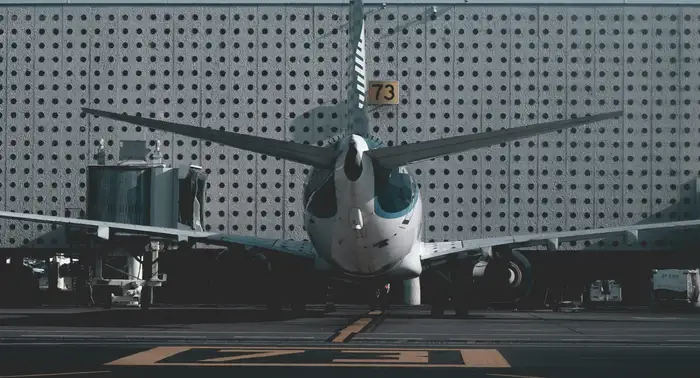
Photo by Eduardo Cano Photo Co. on Unsplash
Hot News
EU Rental Nights Hit 951M, Platforms Grow Faster than Hotels

Channel Islands Join UK ETA Rollout as Pre-Trip Checks Expand

IHG, Marriott, Hyatt Bet on Conversions as Midscale Gets Pricier

United Joins JetBlue on Higher Bag Fees as Fuel Shock Hits Harder
