Hilton Reenters Nassau with Curio as Bahamas Demand Stays Hot
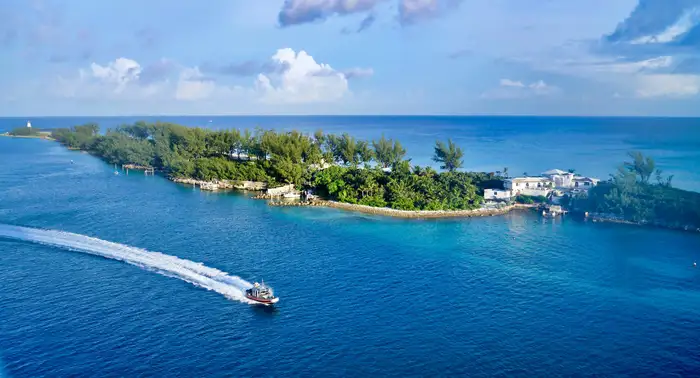
Hilton has signed a franchise agreement with developer BPG. LTD. for Paradise Breeze Nassau, a new hotel and residences project in Nassau, The Bahamas.
The company announced the deal on April 14 and said the property is expected to open in 2028. It will be the first Curio Collection by Hilton hotel in The Bahamas and will also mark Hilton’s return to the island.
The project will be built on West Bay Street and will include 125 accommodations in an 11-storey building. Hilton said the site is located about three miles from Lynden Pindling International Airport and close to Nassau’s shopping, dining, and visitor areas.
The project is aimed at travelers looking for a more upscale, design-led stay
Paradise Breeze Nassau is being positioned as an upscale lifestyle property rather than a traditional large resort.
Hilton said the hotel will include nearly 15,000 square feet of spa and fitness space, padel and squash courts, a roughly 5,000-square-foot infinity pool, more than 4,000 square feet of event space, and several dining venues. Plans also include a bakery, market, coffee bar, and rooftop restaurant.
That fits the Curio Collection model. Curio is Hilton’s soft-brand portfolio for hotels that want to keep their own style and identity while still using Hilton’s global booking systems, loyalty program, and commercial support.
Hilton is expanding in a market with strong tourism demand
The Bahamas has continued to attract strong visitor demand, making it an appealing market for global hotel groups that want to grow in the Caribbean. Nassau in particular remains one of the region’s best-known destinations, with established tourism infrastructure and strong international visibility.
The deal fits Hilton’s broader regional growth strategy
Hilton already has a large presence across the Caribbean and Latin America, and the Nassau signing is part of that wider expansion. The company has been growing through partnerships with local owners and developers, especially in destinations where demand is strong and global brands still see room to add new supply.
That approach allows Hilton to expand without owning the real estate itself, while owners gain access to Hilton’s network, customer base, and loyalty platform.
Soft-brand growth gives hotel groups flexibility without standardization
A similar strategy is showing up across hospitality more broadly, as hotel groups use soft-brand and collection models to grow in segments where individuality matters. That was visible recently when BWH Hotels launched Backdrop under WorldHotels, using a brand structure that lets properties keep their distinct identity while still gaining access to a larger group’s reservation systems, loyalty reach, and commercial support.
Photo by Renato Marzan on Unsplash
Hot News
Delta Buys Spirit Gates as Atlanta Rivals Run Out of Room

Bolt Targets Messy Ride Expenses With New Employee-Pay Mode

FAA Eyes AI for Air Traffic Safety as Runway Risks Keep Rising

TPConnects Launches Iris Express API to Cut NDC Complexity
