Hilton CEO Says Middle East Conflict Hit Hotels While the US Risks Losing More Global Visitors
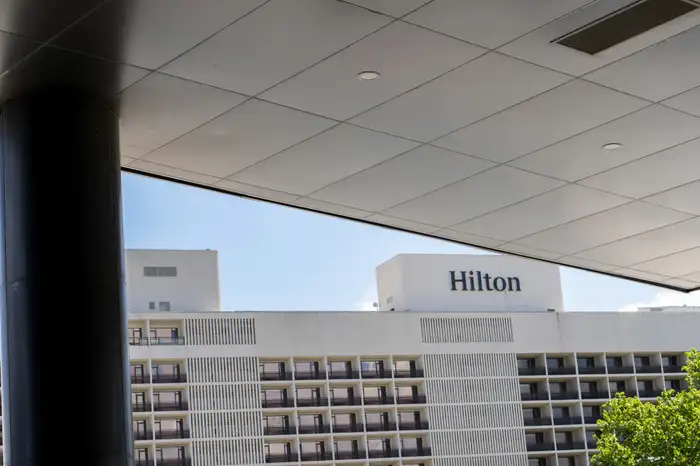
Hilton CEO Chris Nassetta said the recent Iran conflict has disrupted Hilton’s hotel business in the Middle East, but his bigger warning was about the United States.
He said the US has spent years losing ground in global inbound tourism and now risks falling further behind unless it does more to attract international visitors.
Hilton’s bigger concern is that the US is becoming less competitive
Nassetta’s main point was that the US is not doing enough to compete for international visitors. He said the country has lost a large share of global inbound tourism over the past few decades. The broader concern is supported by industry data showing that America’s share of international travel has weakened over time.
At the same time, the federal forecast still expects international arrivals to rise to 85 million in 2026. That means the issue is not whether visitors are returning at all, but whether the US is growing as strongly as it should in a highly competitive market.
Hilton still sees some reasons for optimism in the US hotel market
Despite the warning on inbound tourism, Nassetta said Hilton is seeing better signs in parts of its domestic business. He pointed to stronger movement in mid-market hotels across smaller US communities, especially properties that depend on everyday domestic travelers.
Hilton’s US performance depends much more on Americans traveling within the country than on foreign visitors alone. Softer inbound travel can still be a problem for the wider industry, while Hilton may continue to benefit if domestic demand improves.
Brand USA funding and higher travel friction are part of the problem
Nassetta also said the US needs to market itself better and make travel easier, not harder. That is why he raised concerns about Brand USA, the national tourism promotion body, after its federal matching funds were cut in 2025 from up to $100 million to $20 million. Lawmakers later introduced a bill to restore that funding.
At the same time, the industry is also worried about weaker Canadian demand and higher travel costs for some international visitors. US Travel said overnight land trips from Canada to the US fell 26 percent year over year in March 2025, while air travel fell 14 percent.
Many visa-required travelers also still face the standard $185 application fee, along with a new visa integrity fee of at least $250. Together, those issues help explain Nassetta’s argument that the US cannot expect to win more visitors if it becomes more expensive and less welcoming.
The issue goes beyond Hilton alone, as recent data also shows US inbound travel still under pressure even before the country reaches its next big tourism cycle.
Photo by Erim Berk Benli on Unsplash
Hot News
Canadian Trips to the US Kept Falling in February as Demand Stayed Weak

Ryman Pushes Debt to 2034 as Strong Hotel Demand Buys It Time

Hilton CEO Says Middle East Conflict Hit Hotels While the US Risks Losing More Global Visitors

Amex GBT Delivers Solid 2025 Growth but Integration Pressure Is Just Starting
