Heathrow Puts Over $109M Into SAF for 2026 as UK Blending Rules Tighten
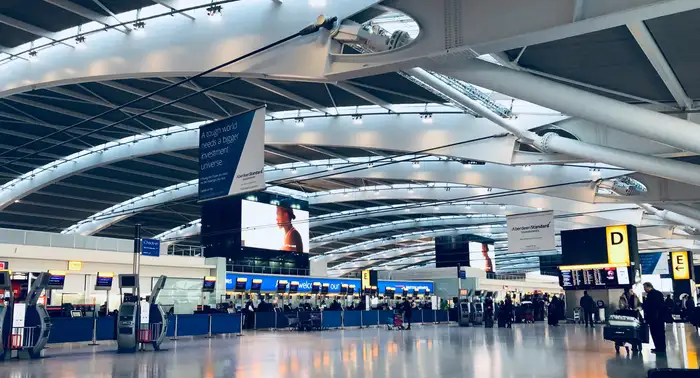
Heathrow Airport said it will increase its Sustainable Aviation Fuel (SAF) incentive program again for 2026. Heathrow’s target is for up to 5.6 percent of all jet fuel “uplifted” at the airport (the fuel loaded onto aircraft there) to be SAF in 2026. That is 2 percentage points above the UK’s 2026 SAF mandate level of 3.6 percent, and Heathrow says it will back the plan with more than £80 million ($109M) to help airlines cover the extra cost of SAF compared to traditional jet fuel (mostly kerosene).
Why it matters for airlines, ticket prices, and competition
SAF is one of the main tools airlines can use right now to cut emissions without new aircraft, because it can be blended into existing jet fuel. The problem is cost: SAF is usually much more expensive than kerosene, so airlines often buy only what regulations require.
Heathrow’s funding is meant to narrow that gap and make it easier for carriers to hit—and exceed—mandated levels at a major hub. Over time, programs like this can affect airline costs, how carriers price routes, and how competitive different hubs feel if some airports make compliance easier than others. If one hub makes SAF compliance cheaper, airlines may shift capacity and connect traffic there—because even small fuel-cost differences can decide whether a route is profitable or whether passengers connect via Heathrow versus a rival hub.
The broader policy context
The UK’s SAF Mandate is designed to steadily raise the share of sustainable fuel in aviation. The government framework starts at 2 percent in 2025 and increases linearly to 10 percent by 2030 (and then higher later), pushing suppliers and airlines toward SAF over time. Heathrow is positioning its own targets to run slightly ahead of that national requirement—it says it wants 11 percent SAF at Heathrow by 2030, above the UK-wide 10 percent goal for that year.
What to watch next in 2026
The biggest question is whether there will be enough SAF supply at workable prices as mandates rise. SAF uptake can lag targets, and that cost and supply constraints remain real pressure points for the industry. Heathrow is trying to reduce the cost barrier locally with its incentive pool, but the outcome will depend on delivery: how much SAF is available, whether airlines buy extra beyond what they must, and whether this model spreads to other airports as aviation decarbonization rules tighten.
Aviation moving toward more sustainable operations is one of the key changes in the sector for 2026. Read our explainer to learn more about how flying by plane will change this year.
Photo by Belinda Fewings on Unsplash
Hot News
Skyscanner Adds Flight Search in ChatGPT as Travel Planning Moves to AI Chat

Sabre Launches AI-First Travel Platform as Industry Shifts to Automation

Google Links Find Hub With Airline Systems to Cut Lost Bag Delays

Expedia Resets the Business to Improve Margins and Speed Up AI Investment
