Google AI Search Turned Short Queries Into Travel Discovery
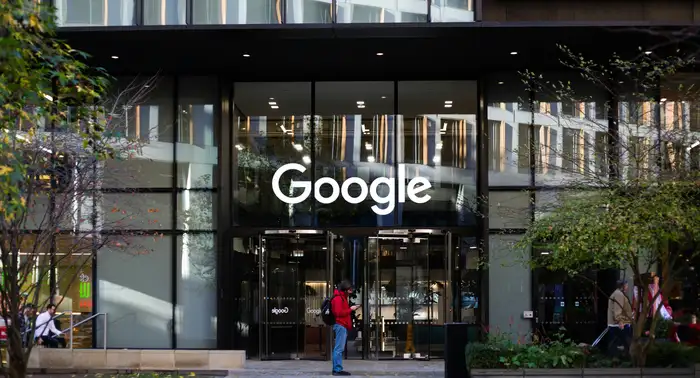
On February 4, 2026, during Alphabet’s quarterly earnings call, Google highlighted how AI Mode and the Gemini model are reshaping the way people use Google Search.
The company described a clear behavioral shift, with Search becoming less about isolated keywords and more about extended, back-and-forth interactions. Users are treating Search as a conversational assistant that can guide them through complex topics rather than simply pointing them to external websites.
Users are asking longer and more complex queries
Google reported that queries in AI Mode are now about three times longer than standard searches. This suggests that users are providing more context and asking more nuanced questions.
Additionally, nearly one-sixth of AI Mode interactions rely on voice input or images, indicating that users are comfortable combining text, speech, and visual content in a single search journey. This shift signals the rise of multimodal search sessions that unfold over multiple steps.
Advertising models evolve with deeper engagement
From a business perspective, Google sees these richer sessions as a sales opportunity. Traditional search ads were built around short, high-intent keywords. With AI Mode, users remain inside a longer decision-making flow, which creates new chances to present relevant commercial information during different stages of research or travel discovery.
This changes advertising from a single-moment match into a broader, more dynamic interaction.
Travel research fits the new AI search pattern
Travel is one of the areas most affected by this transition. Organizing a trip involves layered comparisons and refinements, from choosing a destination to evaluating hotel locations and activities. The structure of AI Mode sessions closely mirrors this process.
Currently, when travelers submit detailed questions, such as “hotels in London near nightclubs,” they can receive tailored responses directly on the results page. This reduces the need to click through multiple travel sites, shifting how discovery happens online.
Booking integration remains a future step
Google is still working on an agentic travel booking system that will allow users to complete bookings without leaving the conversational interface of the AI Mode.
Partnerships with major travel companies such as Booking, Expedia, and large hotel groups are expected to support future integration of real-time availability and pricing into AI responses. If implemented at scale, this would move Google further along the path from search engine to end-to-end travel planning and booking interface.
Photo by Karollyne Videira Hubert on Unsplash
Hot News
Delta Buys Spirit Gates as Atlanta Rivals Run Out of Room

Bolt Targets Messy Ride Expenses With New Employee-Pay Mode

FAA Eyes AI for Air Traffic Safety as Runway Risks Keep Rising

TPConnects Launches Iris Express API to Cut NDC Complexity
