EU Introduces Entry/Exit System: Will Your Next Flight Be Delayed?
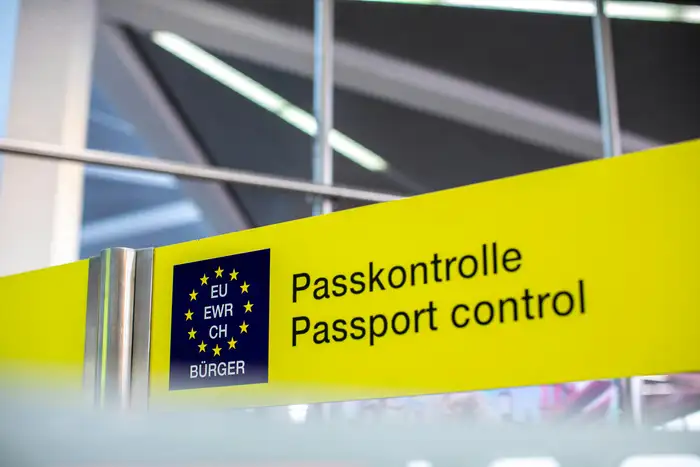
What happened?
At the end of March, all Schengen external borders rolled out the new EU Entry/Exit System (EES), which means electronically registering non-EU travelers’ crossings instead of stamping passports.
At least 50 percent of travellers are now processed through the system, though from 10 April, all passengers will be subject to checks. They must have their passports scanned and their facial image and fingerprints taken at the border.
Airports and airlines are warning of potential bottlenecks caused by the new procedure.
What is the EU Entry/Exit System (EES)?
The EES is an automated IT border-control system that registers all entries and exits of third‑country nationals at participating EU external borders.
Each time a non‑EU citizen crosses into or out of the Schengen area for a short visit (up to 90 days), the system records their name, passport data, facial image, and fingerprints, and the date/place of entry or exit. It also logs any refusals of entry.
EES is not a visa or permit: it simply replaces passport stamps with an electronic record. Its goals are to improve security and border management (by flagging overstays and identity fraud) and to speed up routine checks through automation.
Are EES and ETIAS the same?
No.
European Travel Information and Authorisation System (ETIAS) is comparable to the US ESTA or UK ETA systems and is designed to improve how Europe screens travelers before they arrive. It functions as a visa-waiver program, allowing eligible travelers to obtain authorization to enter the EU by completing a simple online application. ETIAS is expected to become operational in the last quarter of 2026.
Who needs EES? (Who is affected?)
EES applies to all third‑country nationals (non‑EU/Schengen citizens) visiting for short stays (up to 90 days in any 180-day period).
That means visa-exempt tourists and business travelers (e.g. from the U.S., Canada, UK, Australia, Japan, etc.) and also those who do need a Schengen visa, as long as their intended stay is under 90 days. So if you were already required to have a visa, you still need it in addition to the biometric checks.
UK citizens, now non‑EU, are treated as third‑country nationals: They too must have their biometric data recorded on entry to EES countries.
In practice, this means virtually every passport-holder who used to get a Schengen stamp must now use EES.
EU, EEA, or Swiss citizens and residents are exempt and can cross freely.
Do children need EES?
Every person (including children) needs their own EES registration; there is no group or family waiver.
What countries use EES?
EES is not tied to the EU as such—it’s tied to the Schengen Area. The latter includes 29 countries—25 of them are members of the EU, and the other four are Iceland, Norway, Switzerland, and Liechtenstein.
Notably, Ireland and Cyprus are not participating in EES, so travelers entering those countries will still get stamps; but if you later exit to an EES country, you’ll go through EES exit controls.
How does EES work?
When you arrive at an EU external border (airport, land or sea port), the EES process kicks in at immigration control. In practical terms:
-
First crossing (entry or exit) – The border officer will scan your passport and capture your facial photo and fingerprints. This data, along with your travel document details and the time/location, is stored in EES.
-
Subsequent crossings – On future entries or exits during the 90-day allowance period, officers simply verify your identity against your existing EES record. You will not be “re‑entered” into the system, only checked.
-
No fee or advance visa – Importantly, no additional application or fee is required under EES. If you’re visa-exempt, you simply go through the EES process at the border.
The EU Commission says this procedure helps detect overstayers and document fraud while modernizing border checks.
How can I speed up the border crossing process?
Many major airports and border points now have self-service EES kiosks.
If you have a biometric passport, you can scan your passport and fingerprints yourself at the kiosk; the system then takes your photo and auto-loads the data into EES.
Travelers without biometric passports cannot use the self-service kiosks and will have their data entered manually by an officer, which obviously will take longer.
Also, the EU’s Frontex agency offers a free “Travel to Europe” smartphone app that lets non‑EU travelers pre-register their passport information and a photo up to 72 hours before arriving. This is entirely voluntary and mainly meant to reduce border wait times. Even if you pre-register, your fingerprints will still be scanned at the border, and pre-registration does not guarantee entry.
Is there an official EES website?
The European Commission’s Travel to Europe portal is the official source of information on EES (and related systems). Its EES section has FAQs, country lists and traveler guides.
When will EES be fully deployed, and what are the results so far?
By April 10, 2026, the EES will be fully deployed at all points of entry: passport stamps will be abandoned, and each entry, exit, or entry refusal will be logged in the system.
The EU set 12 October 2025 as the start date for EES operations. That day, 29 countries (all current Schengen members) began a progressive roll-out of the system. Each country chose which border checkpoints to activate and when, over roughly six months.
The EU Commission has published some early results: by late March 2026, EES had already logged over 45 million border crossings and recorded about 24,000 entry refusals (for reasons like invalid documents or overstaying). It identified hundreds of people attempting identity fraud across borders (by linking repeated refusals), illustrating the system’s security impact.
How EES enrollment impacts travelers and airports
For travelers, the EES means a more thorough (but standardized) passport check. You should allow extra time at immigration.
During the roll-out, industry groups (ACI Europe, Airlines for Europe, IATA) warned of long queues: 1–2 hour waits at peak have emerged. The groups cautioned that if 100 percent of travelers were mandated without relief, summer peak queues could hit 4+ hours. They have urged EU authorities to allow flexibility (e.g., suspending some checks in busy periods) and to add staff.
In summary, travelers should prepare for biometric checks and possibly longer border delays in 2026.
Photo by Daniel Schludi on Unsplash