US DHS Shutdown Risks Airport Lines as TSA Staff May Work Unpaid
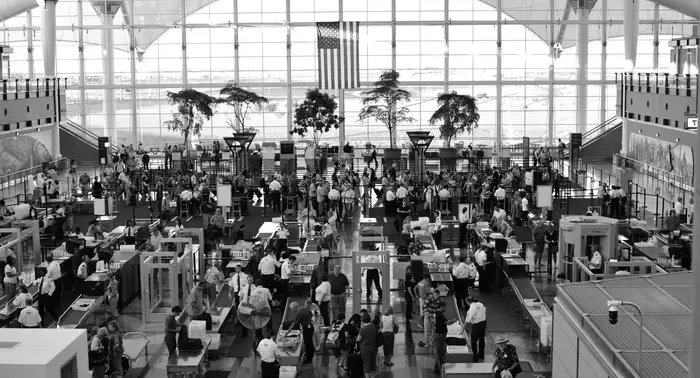
The US government has not shut down completely, but the Department of Homeland Security (DHS) has. Funding expired and lawmakers did not pass a new bill in time, so DHS entered a partial shutdown starting February 14, 2026. In these situations, many workers must still report to duty because their jobs protect public safety, but pay is delayed until Congress restores funding. That “work now, get paid later” setup is what creates the biggest strain.
Why this matters for flights and airports
Security screening is where travelers are most likely to notice problems first. The TSA screening workforce is large but tightly scheduled, so even a modest rise in call-outs can quickly mean longer lines at busy airports and delays that spread through airline networks. They warned this is happening right as the industry heads into spring break demand, when airports have less spare capacity to recover from staffing gaps.
The dispute behind the shutdown
This shutdown is linked to a broader fight over immigration enforcement rules and oversight. Democrats want reforms that increase accountability for officers during operations, including clearer identification and other limits meant to reduce confrontations and confusion. The administration and Republicans argue those changes could interfere with enforcement or expose officers to added risk. With funding tied up in that standoff, DHS ran out of appropriations, and the shutdown began.
Most recent situation and what could happen next
As of February 15, the shutdown was continuing, and Congress was not scheduled to return until February 23, although leadership could call lawmakers back earlier if negotiations move. Air traffic control is less likely to be the trigger for widespread cancellations because FAA funding is already in place through the end of the fiscal year. The key variable for travelers is whether unpaid TSA work leads to noticeable staffing gaps—and whether a deal happens before peak travel weeks intensify.
Photo by Scott Fillmer on Unsplash
Hot News
EU Rental Nights Hit 951M, Platforms Grow Faster than Hotels

Channel Islands Join UK ETA Rollout as Pre-Trip Checks Expand

IHG, Marriott, Hyatt Bet on Conversions as Midscale Gets Pricier

United Joins JetBlue on Higher Bag Fees as Fuel Shock Hits Harder
