D.C. Tourism Hits Record High but Foreign Visitors Keep Recovery Stuck
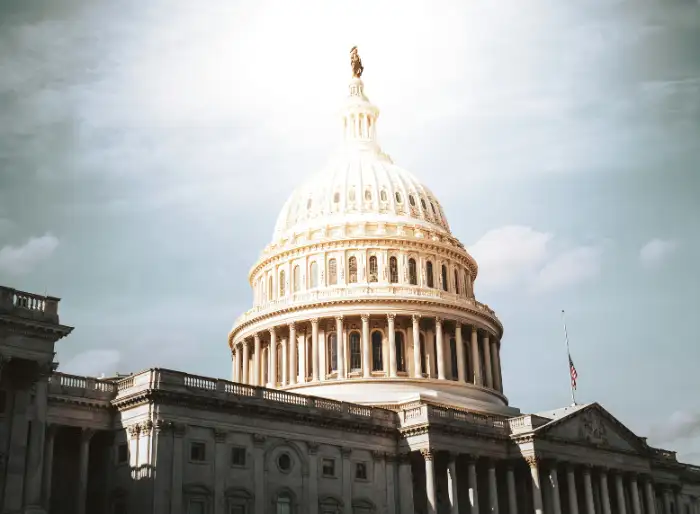
Washington, D.C.’s tourism market barely grew in 2025, even though the city reached another record visitor total.
The US capital welcomed 27.2 million visitors, only about 20,000 more than in 2024, according to Destination DC. Domestic travel stayed stable, but international visitation fell 4 percent to 2.1 million visitors.
The slowdown is already affecting hotels
The flat visitor growth is important for the city’s travel economy. Tourism supports hotels, restaurants, attractions, transport providers, shops, and event venues. In 2025, visitors generated US$11.9 billion in spending, US$2.4 billion in tax revenue, and supported more than 114,000 jobs.
Hotels are one of the clearest signs of pressure. Washington’s 229 hotels have seen softer bookings, while revenue per available room fell 7 percent in the year through January. Revenue per available room shows how much money hotels make from their available rooms, so a decline usually points to weaker occupancy, lower rates, or both.
Foreign demand remains the weak spot
D.C.’s international decline also reflects a wider US inbound travel problem. Destination DC said international visitation to the US overall fell 5.5 percent in 2025. Washington performed slightly better than the national average, but the city still lost part of a valuable travel segment.
Canada remained D.C.’s largest international source market, but Canadian travel to the US also weakened. Canadian visitors are close enough for shorter city trips, but still bring international spending to hotels, restaurants, museums, and events. When this market softens, D.C. becomes more dependent on domestic visitors.
Destination DC has less money to compete
The slowdown comes as Destination DC has much less money for advertising. The agency’s overall advertising budget was cut by two-thirds after revenue from the Tourism Recovery District, a hotel tax surcharge, was redirected toward other downtown economic development efforts. The agency still received US$6 million for marketing and sales, but that is far below its earlier funding level.
This creates a difficult timing problem. Washington needs stronger promotion to win back international travelers, but its tourism agency has fewer resources to compete with other cities. Destination DC says past marketing campaigns produced strong returns, including US$470 million in visitor spending from a US$19.5 million spring and summer campaign.
2026 brings hope, but not a World Cup boost
D.C. is now looking to 2026 for a stronger recovery. The city expects more demand from America’s 250th anniversary, which should bring patriotic travel, cultural events, and museum visits. New attractions may also help, including the National Geographic Museum of Exploration and the continued reopening of the National Air and Space Museum.
The 2026 FIFA World Cup is already lifting flight demand in several host cities, while other destinations may see a smaller benefit. That context makes Washington, D.C.’s position more difficult: the city is counting on America’s 250th anniversary and new museum openings, but it will not receive the same direct match-driven boost as World Cup host markets.
Photo by Sebastian Schuster on Unsplash
Hot News
Delta Buys Spirit Gates as Atlanta Rivals Run Out of Room

Bolt Targets Messy Ride Expenses With New Employee-Pay Mode

FAA Eyes AI for Air Traffic Safety as Runway Risks Keep Rising

TPConnects Launches Iris Express API to Cut NDC Complexity
