Can the US-Iran War Send Jet Fuel Prices and Air Fares Soaring?
What happened?
The war involving the United States, Israel, and Iran has begun pushing aviation fuel costs higher worldwide.
Crude oil prices jumped above $100 per barrel, which quickly drove up jet fuel prices and increased airlines’ operating costs.
How expensive is jet fuel now?
Carriers are now seeing jet fuel priced roughly between $150 and $200 per barrel, marking a sharp rise from $85–$90 per barrel.
This represents an increase of 75–130 percent compared with pre‑war levels (in early February 2026).
Why did jet fuel prices surge?
The conflict started influencing global energy markets almost immediately because it unfolded in a region responsible for a large share of the world’s oil production.
Initial strikes, retaliatory operations, drone attacks, and wider military activity began putting energy infrastructure across the Persian Gulf at risk. As a result, some oil refineries, export terminals, pipelines, and gas facilities in nearby countries faced disruptions or temporary shutdowns for security reasons.
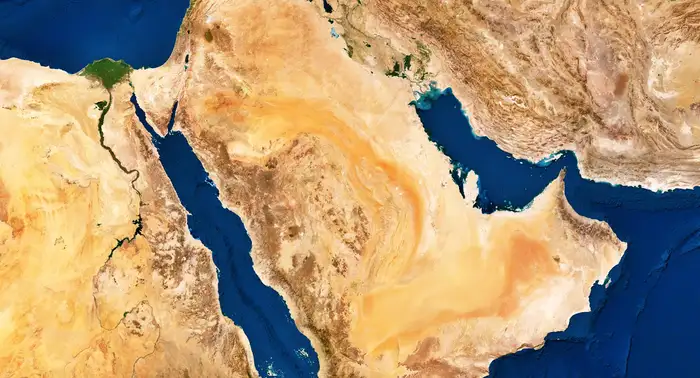
A key turning point was the disruption of tanker movements through the Strait of Hormuz, the narrow shipping route between Iran and Oman that handles about one‑fifth of global oil transport. That equates to roughly 20 million barrels per day of crude oil and condensate being transported through the narrow shipping route.
As tensions escalated and attacks on infrastructure continued, vessel traffic slowed sharply and many ships began avoiding the corridor. This interruption in oil supply routes quickly shook global energy markets and pushed oil prices higher.
Why does this affect the aviation industry so much?
When crude oil becomes more expensive, refiners raise the price of aviation kerosene, and fuel suppliers pass those higher costs on to airlines through long-term agreements as well as spot-market purchases. Because airlines burn massive amounts of fuel every day, even a small increase in the price per barrel can add billions of dollars in extra expenses across the industry.
For example, a typical single narrow‑body jet used on most short‑ and medium‑haul routes burns approximately 750–900 gallons of jet fuel per hour during a flight. Meanwhile, a long‑haul wide‑body jet consumes 1,800–2,460 gallons per hour.
Overall, fuel has historically been one of the largest expenses for airlines.
Under normal market conditions, it usually accounts for about 20 to 30 percent of an airline’s total operating expenses, and when oil prices climb sharply, that share can increase to nearly 40 percent.
Skift estimates that the conflict could raise jet fuel costs for US airlines by roughly $24 billion, while the worldwide impact may exceed $100 billion.
Delta Air Lines alone reports that a one-cent increase in jet fuel prices per gallon would cost the airline about $40 million.
How will airlines deal with this issue?
The most likely response is shifting part of the additional costs to travelers through higher ticket prices or separate fuel surcharges.
Some airlines have already begun doing this. For example, Air New Zealand has raised fares by $6–$54 depending on a route, while Hong Kong Airlines has spiked fuel surcharges by up to 35.2 percent.
Industry analysts suggest that airlines need to raise ticket prices by 10–11 percent on average to offset the current jump in fuel costs.
It’s worth noting that airlines are also facing operational complications caused by airspace closures and rerouted flight paths around the Middle East conflict zone. These longer paths increase travel distance and fuel burn, which adds even more pressure to airline operating costs.
Carriers may also try to shield themselves from price swings by using fuel hedging.
What is fuel hedging, and which carriers are benefiting from it?
Fuel hedging involves buying financial contracts that secure fuel prices months or even years ahead.
If fuel prices rise above the price specified in the hedge contract, the airline receives financial compensation from the contract that offsets the higher price it must pay in the physical market. This allows airlines to stabilize their operating costs even when oil markets become volatile.
One of the biggest beneficiaries is Ryanair, which had hedged about 84 percent of its jet fuel needs at roughly $77 per barrel for the current quarter.
Another airline with strong protection is Lufthansa, which had hedged 77 percent of its expected fuel consumption for the full year of 2026.
Other well-protected carriers include easyJet (84 percent for the first half of 2026) and Wizz Air (83 percent for the first quarter of 2026).
On the other hand, many US carriers scaled back their hedging programs in recent years. This leaves American, Delta, United, Southwest, and JetBlue much more vulnerable to rising fuel prices and volatility in oil prices.
But why did US carriers decide to abandon fuel hedging?
The primary reason is that hedging becomes costly when prices drop.
When airlines hedge fuel at a fixed price and the market price later falls below that level, the airline is stuck paying more than competitors who buy fuel at the lower market price. Such experiences led many airline executives to conclude that hedging was too risky and unreliable as a long-term strategy.
For example, the long-time hedger Southwest Airlines eventually decided to phase out its hedging program in 2025. “With the exception of a couple positive years, it’s not been beneficial to the company for the past 10 to 15 years,” said CEO Bob Jordan.
Has something like this happened before?
Yes, similar energy crises have occurred before.
Well-known historical examples include the oil crises of the 1970s, both linked to geopolitical tensions in the Middle East.
The first began in 1973 during the Arab–Israeli War, when Arab members of OPEC placed an oil embargo on nations that supported Israel. This move caused global crude prices to rise sharply, jumping from about $3 per barrel in 1973 to nearly $12 per barrel by 1974.
The second shock followed in 1979 after the Iranian Revolution disrupted oil production, driving prices up from roughly $13 per barrel to around $34 per barrel within a single year.
Another major oil price spike happened during the Persian Gulf War from August 1990 to February 1991, when Iraq invaded Kuwait, one of the world’s leading oil producers. The invasion disrupted oil exports from the Persian Gulf and pushed crude prices sharply higher. In the early months of the conflict, global oil prices nearly doubled, increasing from about $17 per barrel to roughly $36 per barrel.
In all cases, airlines were hit with much higher fuel expenses, which forced them to cut flights, increase ticket prices, and invest more aggressively in fuel-efficient aircraft.
What can we expect next?
The future jet fuel prices will largely depend on how geopolitical tensions develop in the Middle East.
If the conflict begins to ease and shipping traffic through the Strait of Hormuz returns to normal, oil prices may slowly stabilize as supply chains recover and energy production returns to normal levels. In that situation, airlines would probably keep ticket prices steady and gradually bring their route networks back to normal operations.
But if the conflict intensifies or spreads to additional parts of the region, aviation could face far greater challenges. Ongoing disruptions to oil production or shipping routes might keep crude prices above $100 per barrel for a long time, forcing airlines to continue raising ticket prices or cutting flight capacity.
In the worst case, such as a long-term shutdown of the Strait of Hormuz or serious damage to energy infrastructure across the Persian Gulf, oil prices could surge dramatically, potentially triggering a global energy crisis and heavily disrupting air travel.