Azul Emerges From Bankruptcy with Lower Debt, Focuses on Growth
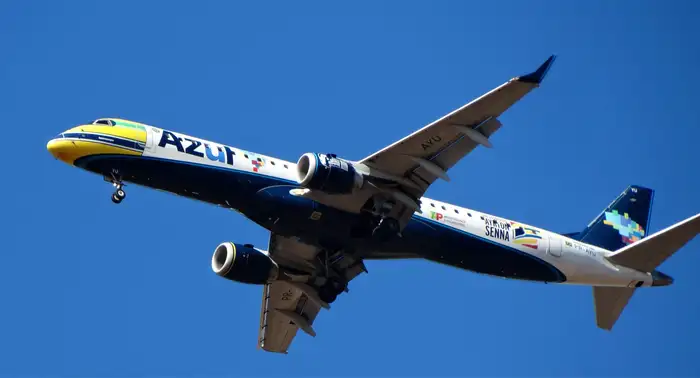
Azul S.A. said it has officially emerged from Chapter 11 bankruptcy protection, with its reorganization plan becoming effective on February 25, 2026. Brazil’s largest airline entered Chapter 11 in 2025 and used the process to reorganize its finances while continuing to operate flights.
Chapter 11 is a US court process that allows a company to keep running while it restructures debt and other obligations. In Azul’s case, the airline completed the process in less than nine months, which is relatively fast for an airline.
In December 2025, a US bankruptcy judge approved Azul’s restructuring plan, clearing the way for the airline to cut debt and move toward an early 2026 exit. The pressure behind Azul’s filing, including high debt, fuel costs, currency volatility, and supply chain challenges, helps show that the February 2026 emergence was the final step in a longer financial reset, not a sudden turnaround.
Why this matters for the travel industry
Azul is a major airline in Brazil, so its financial recovery matters for passengers, route stability, and competition. When a large airline successfully restructures instead of cutting deeply or collapsing, it helps protect flight options and reduces disruption across the market.
This also matters for international travel because Azul works with United Airlines and American Airlines. Those partnerships help connect travelers between Brazil and other markets, including the US.
What changed in Azul’s finances
Azul said the restructuring reduced its debt and lease obligations by about $2.5 billion. The company also said it secured $850 million in new equity investment and raised $1.375 billion in exit notes to support its post-bankruptcy business.
According to Azul, the package included $100 million in equity from United Airlines, while American Airlines committed another $100 million, pending antitrust approval. Azul also said annual interest expense was cut by more than half, fleet debt fell 36 percent, and aircraft leasing costs dropped by about one-third.
What happened during Chapter 11
Azul said it continued normal operations during the restructuring. The airline reported about 800 flights per day, 85.1 percent on-time performance, and 32 million passengers in 2025, the highest annual total in its history.
Now, Azul says it will focus on disciplined growth, strong operations, and a stronger position in Brazil’s domestic market. In simple terms, the airline is moving from financial repair to steady execution.
There were two key steps before this outcome — court approval of Azul’s restructuring plan in December 2025 and the January 2026 financing progress that set up the airline’s final emergence from Chapter 11.
Photo by Gleive Marcio Rodrigues de Souza on Unsplash
Hot News
Delta Buys Spirit Gates as Atlanta Rivals Run Out of Room

Bolt Targets Messy Ride Expenses With New Employee-Pay Mode

FAA Eyes AI for Air Traffic Safety as Runway Risks Keep Rising

TPConnects Launches Iris Express API to Cut NDC Complexity
