Airlines Forecast Record Summer Travel as Fuel Costs Surge
Airlines are preparing for another record summer travel season in 2026, even as soaring jet fuel prices increase pressure on operating costs across the industry.
The summer peak comes at a difficult moment for airlines. Fuel prices have climbed sharply in recent months following tensions in the Middle East and concerns about global fuel supply routes. Airlines have warned investors that higher fuel costs could reduce profits and force schedule adjustments during the busiest travel period of the year. Despite this, demand for travel remains strong.
Major carriers in the United States and Europe say bookings for summer flights continue to rise. American Airlines expects to carry around 75 million passengers this summer, while United Airlines forecasts more than 50 million travelers during the peak season. Industry analysts say consumers are still prioritizing holidays, international trips, concerts, and major events even as airfare prices increase.
Airlines respond with capacity cuts and higher fares
Earlier this spring, some airlines reduced flights on weaker routes and delayed expansion plans to offset rising fuel costs. Industry reports suggested thousands of flights had already been removed from global schedules by May.
Airlines are also using various strategies to manage expenses. Some European carriers entered 2026 with fuel hedging agreements that partially protected them from sudden price spikes. Others are raising fares, adding ancillary fees, or operating newer, more fuel-efficient aircraft.
The head of the International Air Transport Association (IATA), Willie Walsh, publicly said higher airfares were “inevitable” if fuel costs remain elevated through the summer season.
Travel disruption risks remain
For the wider tourism industry, the pressure extends beyond airlines. Rising fuel costs and tighter schedules can increase the risk of delays and missed connections during peak travel months.
Destinations heavily dependent on summer tourism could be affected if disruptions spread across airports and transport networks. Hotels, cruise operators, airport transfer companies, and tour providers may also face operational challenges during busy travel periods.
At the same time, airlines remain cautious about supply chain problems and aircraft delivery delays, which continue to limit fleet growth in several markets.
Fuel concerns accelerate interest in sustainable aviation
The current fuel situation is also increasing pressure on the aviation industry to diversify energy sources. Airlines and governments in Europe are giving more attention to sustainable aviation fuel (SAF) as both a climate strategy and a way to reduce dependence on volatile fossil fuel markets.
Several carriers say energy security is becoming as important as environmental targets when planning long-term fuel strategies.
For now, airlines appear willing to accept higher operating costs in exchange for maintaining capacity during one of the strongest travel seasons in recent years.
As previously reported, US travelers face 20.7 percent fare hike as airlines passed fuel costs to passengers.
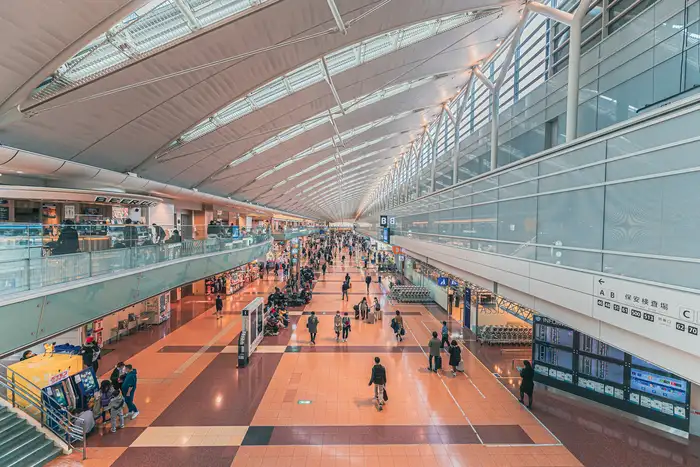
Photo by Mos Design on Unsplash