AirAsia Shifts its Europe Plan to Istanbul as Bahrain Strategy is Disrupted
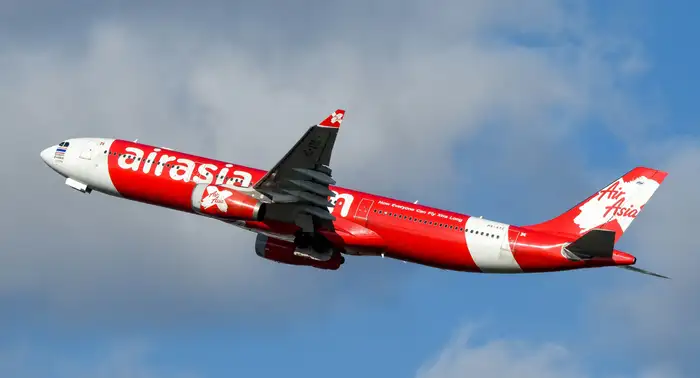
AirAsia is changing part of its long-haul growth plan after disruption in the Gulf made Bahrain harder to use as a future hub.
Capital A chief executive Tony Fernandes said the group is now testing in Istanbul what it had originally planned to do in Bahrain. He also said AirAsia is in advanced talks with a major Turkish airline that could help it connect to a much wider European network.
Bahrain was meant to support AirAsia’s return to Europe
Bahrain was not just another stop in the network. It was supposed to become an important part of AirAsia X’s long-haul model. In late 2025, Capital A signed a letter of intent with Bahrain’s transport ministry to explore using the country as a Middle East hub.
That plan became more concrete in February 2026, when AirAsia X announced daily flights between Kuala Lumpur and London Gatwick via Bahrain, starting on June 26. The route was important because it would mark the airline’s return to London for the first time since 2012.
Istanbul is becoming more important
Istanbul was already part of AirAsia X’s network before the current disruption. The airline launched flights from Kuala Lumpur to Istanbul in November 2025, giving it an existing route into a city with strong links across Europe.
Fernandes said AirAsia is already seeing more passengers travel through Turkey and then connect onward to Europe.
Fuel is now the biggest challenge
Fernandes said AirAsia does not plan to cut services and still sees demand holding up, especially in Asia. He argued that some travelers are staying closer to home instead of flying to Europe or the US, which could support regional and short-haul traffic.
Still, he also made clear that fuel is the biggest problem. Higher oil prices are raising airline costs across the industry, and AirAsia expects fares to go up as a result. Fernandes said the airline’s prices would rise less than those of some competitors, but passengers should still expect upward pressure.
The Gulf disruption is reshaping Asian travel flows
The disruption is hitting Southeast Asia especially hard because many Europe-bound travelers normally connect through Gulf hubs such as Dubai, Doha, and Abu Dhabi. In that context, AirAsia’s move looks less like a temporary workaround and more like a practical response to a market where traditional one-stop links are no longer as reliable, pushing carriers to look for alternative gateways into Europe.
Photo by David Syphers on Unsplash
Hot News
Airbnb Airport Transfers Go Live to Keep Users In App

Marriott Adds Italy’s Lefay to Grow in Luxury Wellness Travel

MakeMyTrip Faces New Anti-Competition Claims as Growth Pressure Builds

AirAsia Shifts its Europe Plan to Istanbul as Bahrain Strategy is Disrupted
