Air India CEO Quits as Tata Tries to Steady Its Airline Rebuild
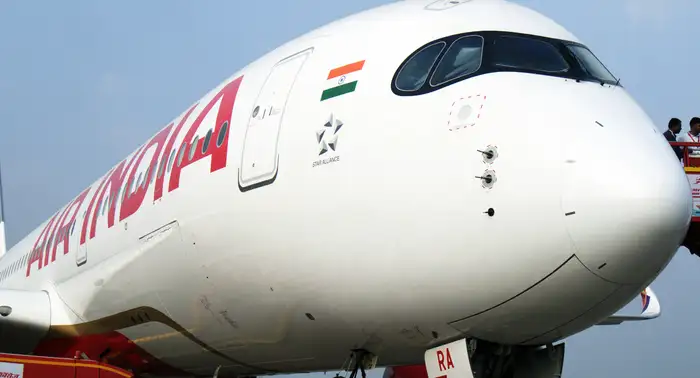
Campbell Wilson has stepped down as chief executive of Air India.
He will remain on for a six-month notice period while Tata Group searches for a successor.
India is one of the world’s fastest-growing aviation markets, and IndiGo and Air India Group together control roughly 90 percent of domestic traffic. A leadership change at the country’s second-largest airline group can affect competition, network growth, fleet decisions, and the balance of power in the wider market.
Wilson helped rebuild the airline after privatization
Wilson took over after Tata regained control of Air India from the Indian government and began rebuilding it as a private airline. He was brought in not for small fixes, but for a full reset of the business after years of underinvestment. Before joining Air India, he had led Scoot, the low-cost arm of Singapore Airlines.
During his time in the job, Air India completed one of the biggest restructurings in Indian aviation. Vistara was merged into Air India in November 2024, following the earlier merger of Air India Express and AIX Connect in October 2024. Air India said the combined group now operates about 300 aircraft, giving Tata a larger and more unified airline business.
The turnaround moved forward, but pressure kept building
Wilson leaves behind a very different airline from the one he inherited. Air India placed a 470-aircraft order in 2023 and later expanded its total orderbook to 570 aircraft. It also invested in training and product upgrades as part of its long-term effort to become a stronger competitor in both domestic and international markets.
Air India and Air India Express posted a combined loss of 98.08 billion rupees ($1.06 billion) in fiscal 2024-2025. The group also had to deal with aircraft delivery delays, tighter regulatory scrutiny, and the lasting impact of the June 2025 AI171 crash, which killed 260 people and brought even more attention to safety and oversight.
Tata now has to manage the next step carefully
Air India Express is also in a leadership transition. Aloke Singh stepped down from the low-cost airline and later moved to IndiGo as chief strategy officer. At the same time, IndiGo is preparing for its own leadership change, with Willie Walsh set to become chief executive.
For Tata, the immediate goal is to avoid instability at the top while the airline’s rebuild is still in progress. Keeping Wilson in place
IndiGo’s leadership reset adds pressure on Air India
IndiGo, the other major force in Indian aviation, is already moving into its own new phase under a new CEO. That means Air India is entering a transition period just as its biggest rival is trying to strengthen stability and maintain momentum. Air India’s next move is no longer just an internal management decision. It could also shape how competitive power shifts in India’s airline market over the next few years.
Photo by Vivek Arya on Unsplash
Hot News
Delta Buys Spirit Gates as Atlanta Rivals Run Out of Room

Bolt Targets Messy Ride Expenses With New Employee-Pay Mode

FAA Eyes AI for Air Traffic Safety as Runway Risks Keep Rising

TPConnects Launches Iris Express API to Cut NDC Complexity
